
Remembering Pierre Damas Bel and Confronting the Human Cost of Harmful Policies and Systems
The end of summer and the beginning of fall mark a season of change. Across the country, young people are beginning college, moving away from home, meeting new friends, and imagining who they might become. For many, that first day of class represents years of preparation: studying, saving, applying, making plans, and dreaming alongside their families. Last week, my family celebrated my niece Bella heading off to college. We shared in her excitement as she moved into her dorm, started classes, and began this new chapter of her life.
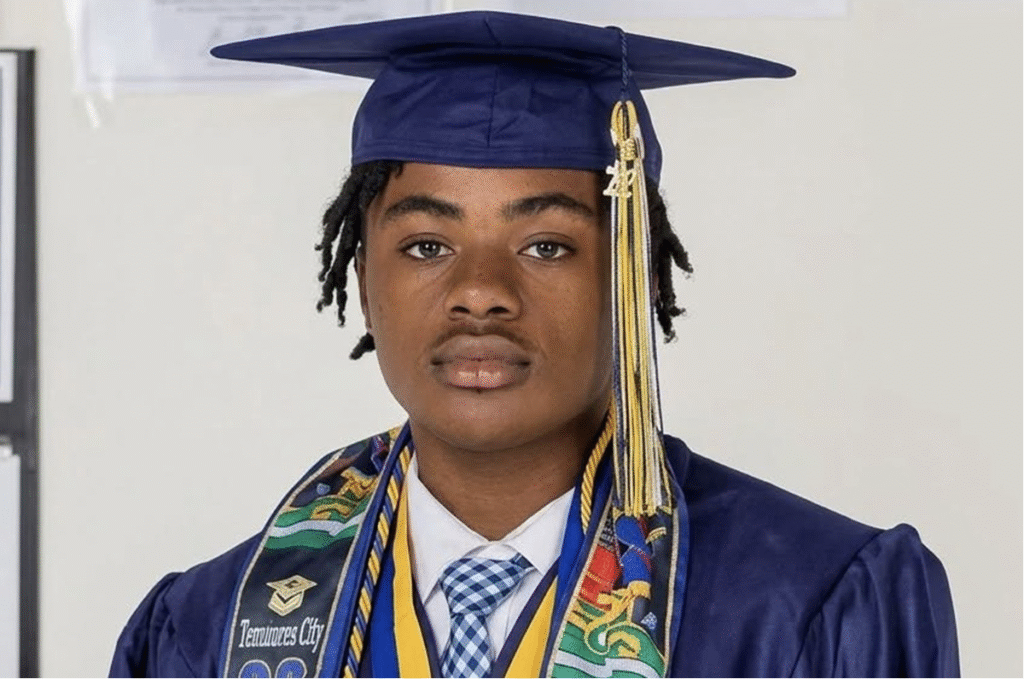
Pierre Damas Bel should have been experiencing those firsts, too.
At 20, Pierre had graduated from Springfield High School and begun classes at Wright State University. He played soccer, had participated in JROTC, and was studying neuroscience, according to local reporting. He was a young person building a life, with interests and aspirations that extended far beyond his immigration status. News reports describe his life and the loss felt by his community.
What should have been a time of discovery—of learning, building relationships, making plans, changing his mind, and becoming—was instead marked by distress, fear, and humiliation.
Pierre died by suicide, his family and advocates reported. After he lost the protection from deportation provided by Temporary Protected Status (TPS), ICE placed him in its Alternatives to Detention program and required him to wear a GPS ankle monitor while his immigration proceedings continued. TPS allows eligible people from countries experiencing armed conflict, disaster, or other dangerous conditions to live and work in the United States with temporary protection from deportation. When that protection ends, people may be forced to return to the very violence, instability, or humanitarian crises they fled, leaving behind lives, relationships, and communities built here.
Pierre’s father has described the emotional toll of this immigration enforcement measure, and Pierre himself publicly expressed the shame and humiliation he experienced while wearing the device. His family also described the bullying he endured because of it.
He should have had more time.
More time with his family. More time on the soccer field. More time to explore his interests and discover what his future could hold.
Instead, his loved ones and community are grieving, and we are left confronting yet another death that exposes the human toll of harmful immigration policies and systems. The pain of this loss reverberates throughout the immigrant community.
Pierre’s death hurts. As an immigrant, a psychotherapist, and a researcher who works with immigrant families, I have seen firsthand how anti-immigrant rhetoric and draconian policies can become internalized, affecting people’s sense of self, their worth, and whether they belong.
Imagine building a life somewhere, only to be told you no longer or have never belonged. Imagine the fear of losing the future you have worked toward, or watching your child endure humiliation for simply being here. For millions of immigrants, this is not something they have to imagine. It is their daily reality.
As a society, we must ask: How do we recognize and respond to this pain? How do we ensure that immigrants—our neighbors, colleagues, classmates, fellow congregants, community members, and, above all, fellow human beings—feel supported, valued, and that they belong? How do we hold governments accountable and change the policies and systems causing harm? We must also consider what each of us can do now to support immigrants and respond to this harm. And, on a personal level, we should ask: If this were happening to me, how would I want others to respond?
We need to examine interactions between institutional decisions and everyday treatment closely. Pierre’s family described both the humiliation associated with the ankle monitor and the bullying he experienced. Policies become something a person carries into a classroom, onto a playing field, into encounters with peers, within daily life, and into their bodies, minds, and souls.
We should ask why a young person’s opportunity to begin college became entangled with such profound distress, and what needs to change so others are not left confronting similar circumstances. We should also ask who must act, and how, to prevent this from happening again.
Our Emotional Lives Do Not Happen in Isolation
In mental health conversations, we often encourage people to seek therapy, connect with others, practice self-care, and reach out when they are in despair. I believe in those invitations. They are part of the work I do.
But we must also ask what it means to live with uncertainty, fear, and distress created or intensified by political decisions and social conditions.
We cannot ask people to manage their emotions without examining what they are being asked to endure.
The World Health Organization identifies the conditions people live in—and the policies and systems that shape them—as social determinants of health. This means that health is influenced by far more than personal choices or access to a therapist. It is also connected to housing, employment, education, social inclusion, immigration policies, immigration status, and the resources available to sustain a life.
For someone facing immigration-related distress and uncertainty, the ability to remain with family, continue an education, earn a living, and access care can all become sources of concern and dire distress at once.
Pierre’s family has described the fear, humiliation, and bullying he endured before his death. These experiences matter when we talk about mental health and suicide prevention. Bullying, discrimination, isolation, and hopelessness can increase suicide risk. We need to take seriously the conditions that leave people feeling unwelcome, afraid, or unable to imagine a future.
Protecting mental health means making care accessible, responding to bullying, and making sure people have someone they can turn to when they are struggling. It also means questioning policies and institutional practices that deepen distress. We cannot place the responsibility entirely on individuals to cope with harm that governments and institutions have the power to prevent. We must act to reduce that harm!
Honoring Pierre’s life means supporting his family and those affected by his death, while demanding changes to the conditions that contributed to his suffering. Suicide prevention must be part of how we care for one another and how we make policy. We must treat this tragic loss as a call to change what causes harm.
Community Care is a Shared Responsibility
We also have a responsibility closer to home: how we treat one another.
Standing against bullying means refusing to participate in ridicule, challenging dehumanizing comments when it is safe to do so, and taking someone’s distress seriously. In schools and universities, it means responding to reports of harassment and making sure students know where they can turn for help before they even get to a crisis. Schools and universities can also partner with immigrant-rights, education and mental health organizations developing innovative models to support immigrant students and their families, including TheDream.US and ImmSchools. TheDream.US, for example, hosts regular gatherings where students can learn from legal, mental health, and advocacy experts, access resources, and connect with others who understand their experiences. I have had the privilege of leading the healing and mental health component of these gatherings and have witnessed how these spaces help students feel seen, understood, supported, and less alone while strengthening their sense of belonging and their ability to hold on to hope.
For friends, neighbors, and community members, it can begin with noticing and asking: “How are you doing with everything that is happening?” Then staying long enough to hear the answer.
Sometimes support means listening and being a witness to their pain. Sometimes it means accompanying someone to an appointment, helping them find care in their language, bringing a meal, or checking in again the next day and showing up to be by someone’s side even when not invited.
Recognize when someone may need urgent support. Warning signs of suicide can include talking about wanting to die, feeling hopeless or trapped, feeling like a burden, or withdrawing from loved ones. Take these signs seriously, especially when they are new or becoming more pronounced, and help the person connect with support.
When we are concerned about suicide, we can ask directly: “Are you thinking about suicide?” Asking does not increase suicidal thoughts. Listening without judgment, helping someone connect with professional or crisis support, and staying in contact are concrete steps we can take. NIMH offers guidance on how to help.
Find Hope and Support in Community
As Kaethe Weingarten reminds us, “hope is the responsibility of the community and something that we do together.”
As we grieve Pierre and continue to face immigration-related distress and other challenges, be in community. Seek out spaces where you can speak honestly about what you are carrying, feel supported, and support others. Being with people who listen and understand can help us find hope when it is hard to feel it on our own. Being together in community has always been an important part of not just how we survive but how we thrive!
If you organize support groups, healing circles, or other community gatherings, make them visible and accessible. If you have participated in these spaces, share what the experience meant to you while respecting others’ privacy. Hearing how someone else found comfort or connection can help a person feel more comfortable taking that first step.
Share practical information, too: where and when gatherings take place, the cost, available languages, how to join, and whom to contact with questions. Invite someone to come with you. Being there for one another includes helping each other find places where that support is available.
Honoring Pierre Requires Action
Pierre should not become another name we mourn briefly before moving on. We should not stop at grief; we should turn that grief into care, accountability, and change.
Let us honor his life by standing against bullying, supporting those affected, being there for one another, and demanding humane policies that protect our communities.
That can mean contacting elected officials and asking what they are doing to address the mental health consequences of immigration enforcement. It can mean supporting Haitian-led and immigration organizations, advocating for accessible mental health services, or asking schools and universities how they are protecting immigrant students from harassment and exclusion.
For policymakers and institutional leaders, it means listening to affected families, examining the harms they describe, and changing practices that undermine safety and dignity.
We need to continue to call for humane immigration policies that uphold human dignity, protect mental health, keep families together, and allow our communities to thrive.
Pierre’s life mattered before his death became news. His dreams mattered before anyone had to explain them to the public. He deserved dignity.
This fall, while other young people begin a new chapter, Pierre’s family is facing his absence.
We owe them our compassion. We owe Pierre our remembrance. And we owe Pierre, his family, and our communities action.
If you are struggling or having thoughts of suicide, call or text 988 in the United States for free, confidential support, available 24/7. For Spanish, call and press 2 or text AYUDA. If someone is in immediate, life-threatening danger, call 911 or go to the nearest emergency department.
Dr. Cheryl Aguilar, PhD, LICSW, LCSW, is a nationally recognized mental health clinician, researcher, and advocate focused on the intersection of mental health, immigration, and culturally responsive care. She is the founding director and therapist at The Hope Center for Wellness, an award-winning immigrant- and woman-owned mental health agency in Washington, D.C., where she leads wellness initiatives and efforts to expand mental health access for diverse communities. She is a former fellow of the Robert Wood Johnson Foundation’s Health Policy Research Scholars program and the American Psychological Association’s Interdisciplinary Minority Fellowship Program.